


FutureFormDigital: Power Your Adventures – The Best Solar Gadgets for 2026
Let’s be honest: when you’re out in the wild, the last thing you want is a dead phone, a cold meal, or a pitch-black campsite. But relying on “disposable” tech—like one-time-use alkaline batteries—is not just bad for the planet; it’s a failure of resilience. If your digital workflow, your navigation, or your basic safety depends on power, that power should be self-sufficient.
At FutureFormDigital, we don’t just want you to carry “gear”; we want you to carry infrastructure. Solar-powered gadgets have moved from being flimsy, “just-for-fun” toys into genuinely efficient, high-performance tools. Whether you’re setting up a basecamp, trekking through the backcountry, or turning your van into a mobile office, here is the technical breakdown of the gear that’s actually worth the space in your pack.
1. The Power Baseline: Solar Chargers & Panels
If you are serious about off-grid independence, your solar setup needs to be treated as a system, not a collection of parts.
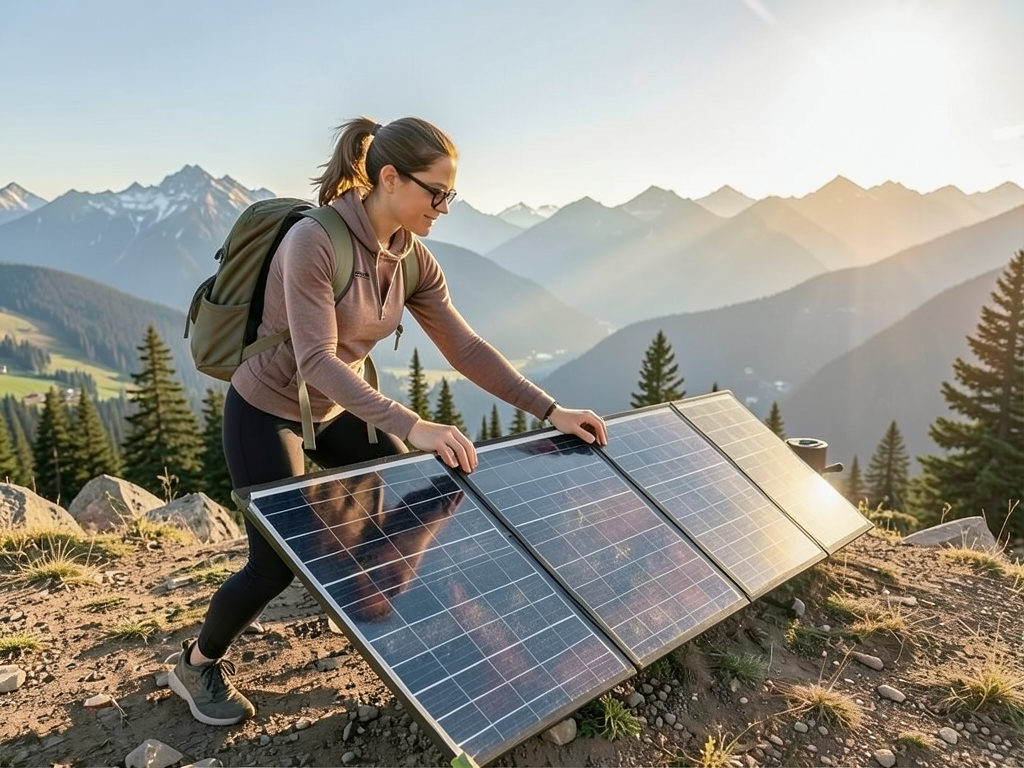
Folding Panels (The Briefcase): These are the gold standard for travelers. They fold up into a manageable size, usually have an integrated handle, and have built-in kickstands.
- The Tech: Look for panels with Monocrystalline cells (they are 20-25% more efficient than older polycrystalline ones).
- The Resilience Pro-Tip: Don’t rely on the “strapped to the backpack” method you see in marketing photos. It’s wildly inefficient. You need to angle your panels directly at the sun at a stationary camp to get the rated wattage.
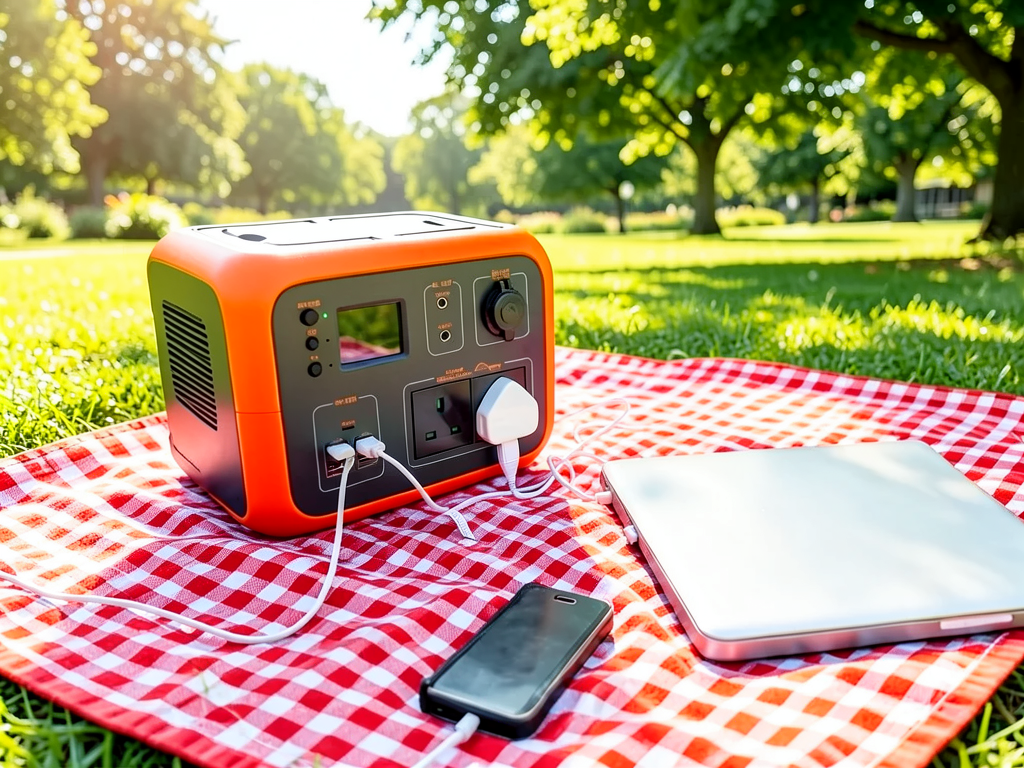
Portable Power Banks (The Buffer): Never charge your delicate phone or GPS directly from a panel. The power flow from a solar panel is “messy”—it dips and spikes with every cloud. Charge a robust power bank instead, and then charge your devices from that bank. It’s safer for your gear and ensures a consistent charge.
2. Lighting, Cooking, and Specialty Gadgets
Resilience is about more than just electricity. It’s about being able to meet your basic needs without a grid connection.
The Solar Kitchen (GoSun Solar Cookers)
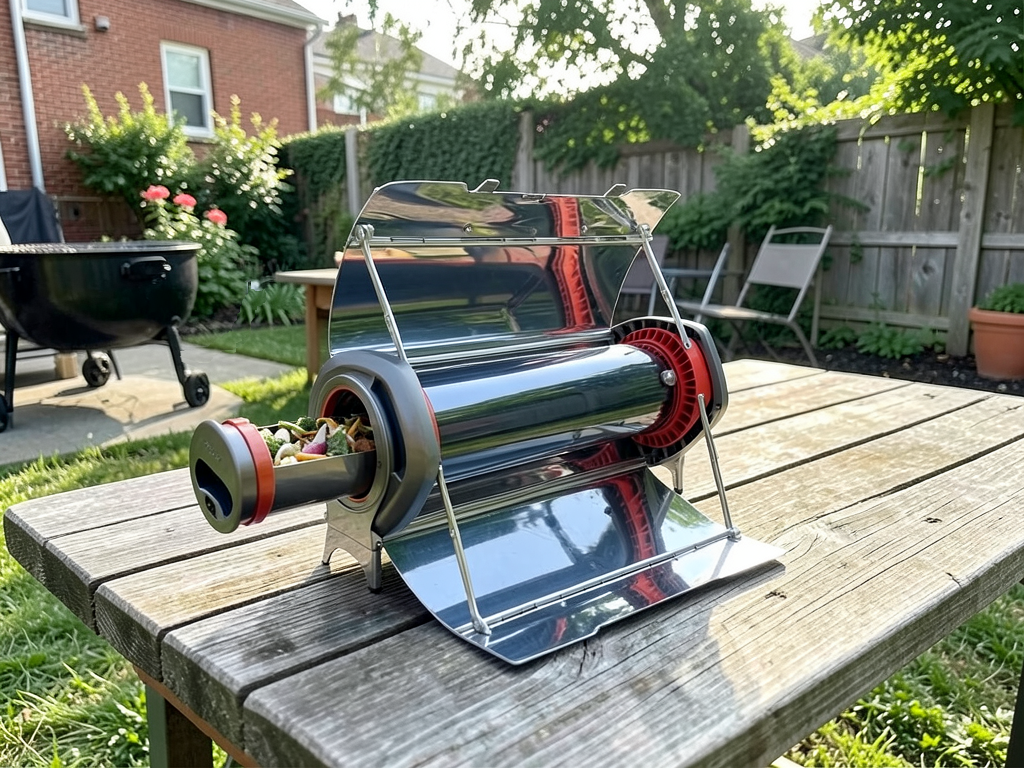
This is not a “gimmick.” A vacuum-tube solar cooker uses the greenhouse effect to focus sunlight into a cooking chamber that can hit 550°F. It works even in cold weather—if there is sunlight, you can cook. It’s an incredibly efficient way to handle meals without carrying fuel canisters.
Solar Lighting (Luci & Hybridlight)
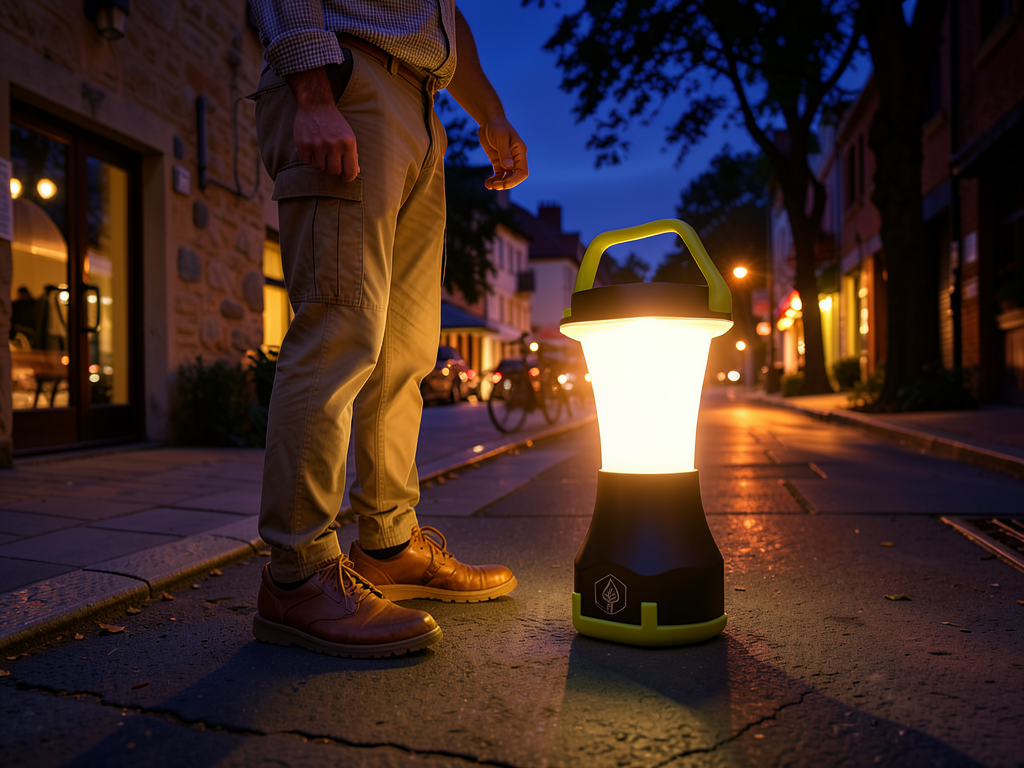
Ditch the batteries. Modern solar lanterns (like those from MPOWERD) are collapsible, inflatable, and surprisingly bright. They can turn a dark tent into a functional workspace or a campsite into a social hub.
Specialty Tech (Watches & Radios)

Solar-integrated GPS watches (like the Garmin Instinct Solar) don’t replace your primary power source, but they significantly extend your runtime, often by weeks, by trickling power in throughout the day. They are the ultimate “safety” feature for navigation.
Quick Comparison: Essential Solar Gear
| Gadget | Resilience Impact | Power Source | Best For |
|---|---|---|---|
| Monocrystalline Panel | High | Solar | Primary Energy Harvest |
| Solar Power Bank | High | Solar/USB | Energy Storage/Buffer |
| Solar Lanterns | Medium | Solar | Campsite Lighting |
| Solar Cooker | High | Solar (Thermal) | Off-grid Cooking |
| Solar GPS Watch | Medium | Solar | Extended Navigational Safety |
FutureFormDigital Insight: Our Recommendation
Don’t buy a collection of cheap solar gadgets. If you’re truly committed to off-grid resilience, buy one high-quality 100W+ folding solar panel, one high-capacity LiFePO4 power bank, and then integrate small, solar-light tools (like lanterns or a watch) only if they genuinely add value to your setup. Modularity is key to a resilient system.
Frequently Asked Questions (FAQ)
1. Do solar-powered gadgets work on cloudy days?
They will produce a tiny amount of power (often 5–10% of their rating). It’s not enough to charge a dead phone quickly, but it can keep a device topped off.
2. Is it worth carrying the extra weight?
For multi-day trips, yes. The weight of a 10W panel is usually less than the weight of the equivalent amount of disposable batteries you’d need to carry.
3. What is the biggest mistake people make?
Trying to charge devices while walking with the solar panel strapped to a backpack. Panels need to be angled directly at the sun while stationary to work efficiently.
4. Are solar cookers actually effective?
Surprisingly so. They can bake, roast, and steam food. Just remember they are weather-dependent—if it’s overcast, your dinner will take much longer to cook.
5. How long do these gadgets last?
High-quality solar panels can last 10+ years. The integrated batteries inside lanterns or power banks usually have a lifespan of 300–800 cycles, depending on the chemistry.
6. Do I need a power bank if I have a solar panel?
Yes. Always use a power bank as a buffer between your panel and your device. It regulates the charging and prevents damage from variable solar input.
7. How do I orient my panel for maximum power?
In the Northern Hemisphere, point them due South. Tilt them roughly to your current latitude. If you’re lazy, just make sure they are facing the sun as directly as possible.
8. Is a “solar charger” different from a “solar power bank”?
Yes. A “solar charger” usually refers to the panel itself. A “solar power bank” is a battery with a small, slow solar panel attached for emergency topping-off.
9. Can I charge these gadgets via USB?
Most modern solar gear can be charged via USB, which we highly recommend. Use the wall outlet to get to 100% before you leave home, then use the solar panels to maintain that charge.
10. What is “Pass-Through Charging”?
It means the device can charge itself (via solar or wall) while simultaneously charging your phone or laptop. It’s an essential feature for a resilient digital workflow.
What’s your setup? Are you rocking a minimalist “one-panel” rig, or have you built a full-scale solar power station for your van? Let us know in the comments—we want to hear your real-world numbers!
About The Author
